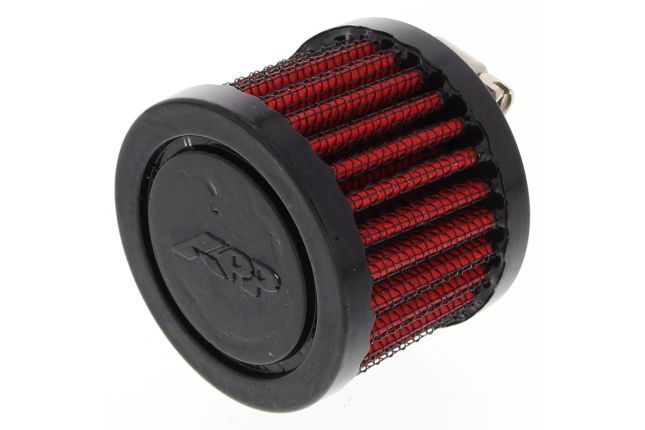
A Carter filter offers several benefits:
Oil Vapor Separation:
The primary function of a Carter filter is to separate oil vapor from
the air that circulates through the engine's crankcase. This prevents
oil vapor from being recirculated back into the intake system, which can
lead to carbon buildup on intake valves, reduced engine efficiency, and
increased emissions.
Reduced Engine Deposits:
By capturing oil vapor before it reaches the intake system, a Carter
filter helps reduce the formation of carbon deposits and sludge inside
the engine. This can prolong the life of engine components, improve
overall engine performance, and reduce the need for maintenance.
Improved Fuel Efficiency:
Reduced carbon buildup and cleaner intake valves contribute to improved
fuel combustion efficiency. A Carter filter can help maintain optimal
engine performance and fuel efficiency over time.
Extended Engine Life:
By preventing oil contamination and reducing the buildup of harmful
deposits, a Carter filter can help extend the life of the engine. It
promotes cleaner operation and reduces the risk of premature wear on
critical engine components.
Environmental Benefits:
By capturing oil vapor and preventing it from entering the atmosphere
or being burned in the combustion process, a Carter filter helps reduce
harmful emissions. This contributes to cleaner air and environmental
sustainability.
Maintenance Benefits:
Installing a Carter filter can reduce the frequency of maintenance tasks
such as cleaning intake valves and replacing spark plugs. This saves
time and money for vehicle owners and ensures consistent engine
performance over the long term.
Overall, a Carter filter
plays a crucial role in maintaining engine cleanliness, performance,
and longevity by separating oil vapor from the crankcase ventilation
system. It offers benefits such as reduced carbon buildup, improved fuel
efficiency, extended engine life, and environmental sustainability.